
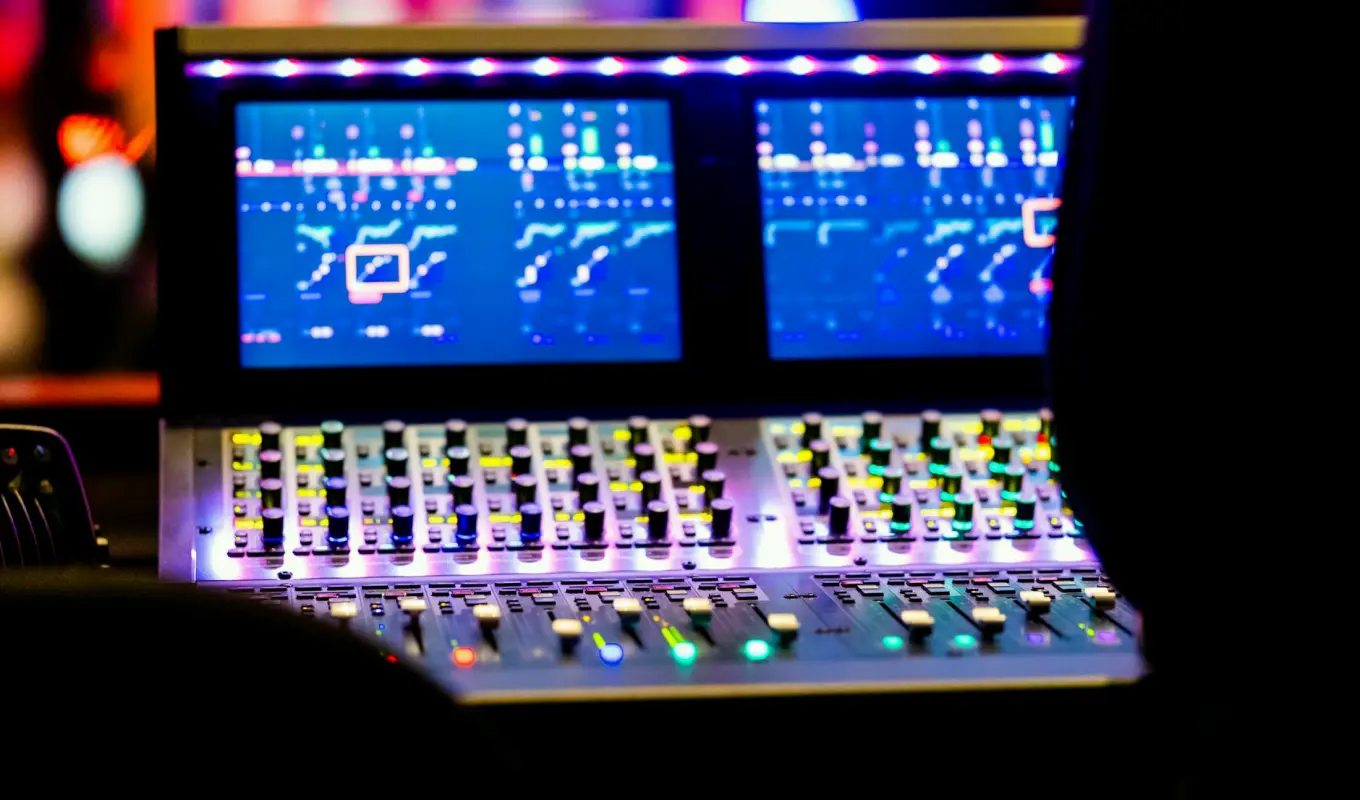
Auditing the diagram instead of the show
The most common mistake I see is reviewing the system as drawn rather than as used. A signal flow diagram shows what was installed. It rarely shows the workaround patch someone added during a busy week, or the monitor that is always switched to a different source before transmission. An audit built only on drawings produces tidy findings that miss the faults your crew actually meet.
To avoid it, sit in the gallery during a real rehearsal or a live programme and note what people do with their hands. Where do they reach, repeat or whisper a correction to a neighbour? Those moments point to the weak links. We compare the written plan with observed practice, and where the two disagree, the observation usually wins.
- Watch a full rehearsal, not only a line-up
- Note every manual workaround
- Ask which diagram is out of date
Leaving the crew out of the conversation
A second error is gathering information only from managers. The technical director may describe the chain accurately, yet the vision mixer, the sound assistant and the camera operators each carry knowledge nobody else holds. Small faults, such as a talkback channel that clips or a tally that lags, are often accepted by those closest to them and never reported upward.
Short, separate conversations work better than one meeting. Ask each role the same three questions: what slows you down, what do you check twice, and what would you change first. People speak more freely one to one. In my own camera and lighting work, the most useful answers have usually come from the person who has quietly fixed the same problem for months.
- Speak to each role separately
- Ask the same three questions of everyone
- Record answers without attribution if needed
Starting without a clear boundary
Audits that try to cover everything tend to finish nothing. A review that spans ingest, studio, graphics, playout and archive in one pass becomes a list of loosely connected remarks, and the client is left unsure where to begin. The opposite problem also occurs: a scope so narrow that the real cause of a fault sits just outside it.
Agree the boundary in writing before the work starts. Name the programme or event type, the start and end points of the chain, and the problem that prompted the review. If the trouble is late changes to camera shading, the scope should include the control room and the communication around it, not just the cameras. A clear edge keeps the findings usable.
- Name the start and end of the chain
- State the problem that triggered the review
- Note what is deliberately excluded
Collecting opinions but not evidence
Opinion matters, but a workflow audit needs something to measure. Without figures, a disagreement between engineering and production cannot be settled, and the changes that follow are chosen by whoever argues best. Evidence need not be elaborate. A log of faults over a few weeks, the time taken to turn a studio round between shows, or a count of retakes caused by a technical issue will do.
If no records exist, start them now and keep them modest. A simple sheet kept in the gallery, filled in by whoever notices the fault, is enough to show patterns within a month. When we write up an audit, each recommendation is tied to something observed or recorded, so you can see why it was made and judge it for yourself.
- Keep a plain fault log for a few weeks
- Time the turnround between shows
- Link every finding to an observation
Treating every finding as equally urgent
A long report with forty items and no order is hard to act on. Teams read the first page, fix what is easy, and leave the rest. The risk is that the change which would save most time, or prevent the most serious fault, sits on page nine.
Sort findings by effect and effort. Some changes cost nothing, such as relabelling a patch bay or agreeing a standard call sequence. Others need equipment or a studio closure and must be planned around the schedule. Group them into what can be done before the next show, what suits the next quiet period, and what needs a budget discussion. That order lets a busy team start immediately without losing the larger items.
- Separate quick fixes from planned work
- Flag anything that affects live transmission
- Give each item an owner
Filing the report and changing nothing
The last mistake comes after the audit. A written review is only a starting point, and many sit in a shared folder untouched because nobody was asked to follow them up. The crew then reasonably concludes that the exercise changed nothing.
Choose one or two changes to make within the first fortnight and tell the whole team what they are and why. Set a date to look again, after a few more programmes, and check whether the faults have eased. Autumn is a sensible moment: schedules settle, the winter run of live events is approaching, and small improvements made now are in place before the busiest weeks begin.
- Pick one or two changes straight away
- Share the reasons with the whole crew
- Book a follow-up check after a few shows
A workflow audit goes wrong for ordinary reasons: a narrow view, missing voices, a loose scope, thin evidence, an unsorted list and no follow-up. None needs special equipment to avoid. Watch the real work, ask everyone, agree the boundary, record what you see, put the findings in order and act on a few of them quickly. Done that way, the written review becomes something a crew can use.